18-Video Training Series
Scams & How to Get Your Money Back
Scam Recovery & Investors Protection
The financial world is packed with opportunities, but it’s also riddled with traps. For every investor who secures steady returns, many more walk away disappointed, misled, or outright scammed. Regulators like the Financial Conduct Authority (FCA), the Financial Services Compensation Scheme (FSCS), and the Financial Ombudsman Service (FOS) do valuable work, but the sheer scale of misconduct and mis-selling means billions of pounds still go unclaimed every single year.
That money doesn’t vanish. It remains in the hands of firms — some regulated, others not — who rely on the fact that most people will never challenge them. The system tilts in their favour. They know how to stall, dismiss, or discourage complaints. Too many investors think that if their portfolio grew, they have no grounds to complain. Others assume that if a firm has collapsed, there’s no way forward. Both beliefs are wrong.
This report lays out a clear roadmap for investors who suspect they may have a claim — whether against a regulated institution or an unregulated scheme. It explains the methods firms use, the tactics they deploy to protect themselves, and, most importantly, the steps you can take to fight back and recover what is rightfully yours.
I have spent close to 30 years in financial markets, including 16 years running my own FCA-regulated firm, where I served as both Compliance Officer and Anti-Money Laundering Officer. I have worked directly with regulators, handled complaints, fought disputes, and negotiated settlements. What follows is not theory. It is practical, hard-earned advice designed to help you succeed in the real world.
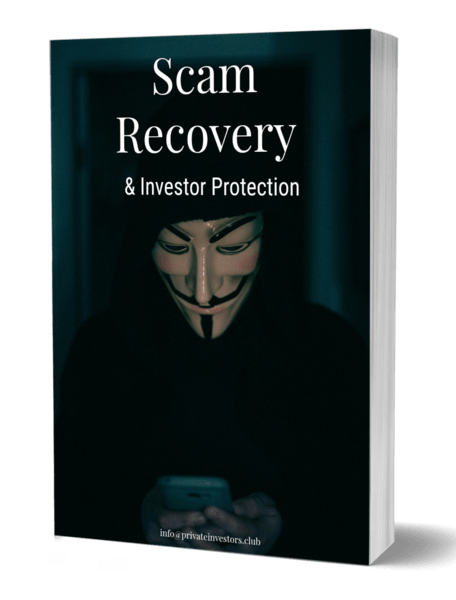
18-Video Training Series
Investment Scams Exposed
I want to show you exactly how investment scams work, how ordinary investors get targeted, and the psychology scammers use to manipulate people. I’ll walk you through the tactics they rely on and explain why so many victims fall for these schemes, even when the warning signs feel obvious afterwards.
David's £120,000 Nightmare
A real-life case study of “David,” an investor who lost £120,000. This story highlights how scams unfold step by step, how promises of high returns and credibility tricks lure investors in, and the devastating emotional and financial toll once reality sets in.
Red Flag 1 - The Trap of High Returns
The first warning sign: if returns sound too good to be true, they usually are. This section explains why scammers promise sky-high profits, how they manipulate greed, and how to spot the subtle tricks hidden in performance claims.
Red Flag 2 - Sleazy Sales Tactics
Pushy salespeople and high-pressure tactics are a hallmark of scams. This section looks at the language, urgency, and emotional pressure used to force quick decisions — and how to recognise when you’re being hustled.
Red Flag 3 - No Regulation, No Protection
One of the biggest risks: dealing with unregulated firms. Without FCA oversight, there is no safety net, no ombudsman, and no compensation scheme. This section shows how to check if a firm is regulated, and why lack of regulation almost always spells danger.
Red Flag 4- Complex Contracts
Scam contracts are deliberately written to confuse. This report explains how complexity hides unfair terms, why you should be wary of lengthy jargon-filled documents, and how to spot when contracts are designed to trap you.
Red Flag 5 - Shady Storage
In whisky, wine, gold, and similar investments, scammers often use false or dodgy storage arrangements. This report uncovers how “storage” becomes a front for overcharging, manipulation, or complete fraud, leaving investors with little to no recourse.
Red Flag 6 - No Exit Strategy
Scammers rarely provide a clear way out. This section highlights how firms lure investors in with promises of resale or buy-back, but leave them stuck when they try to exit. It stresses the importance of knowing your exit before investing.
Red Flag 7 - Company Set Up
Many scam companies are shells designed to disappear quickly. This report shows how to investigate company records, spot short-lived operations, and understand how scammers use new setups to stay one step ahead of regulators.
Red Flag 8 - Dangling the Tax Carrots
Some scams exploit legitimate tax schemes like EIS or SEIS. This report explains how scammers dangle tax benefits as bait, convincing investors it’s all above board — even when the underlying investment is worthless.
Red Flag 9 - Secret Marketing Tricks
If an investment is so good, why the secrecy? This section exposes “exclusive” or “by invitation only” marketing, showing how artificial scarcity and secrecy are used to trap victims into feeling privileged rather than cautious.
Red Flag 10 - The Double Bluff
Scammers often pretend to be against scams themselves. This clever “double bluff” builds trust, as fraudsters present themselves as whistle-blowers or consumer champions, before luring investors into an even bigger trap.
Have you Lost Money in a Scam?
This section helps readers self-assess their own situation. It outlines the key questions to ask, signs you may have been misled, and reassures victims that losing money in a scam is more common than they think — and that recovery is possible.
Recovering Money from Active Regulated Firms
A practical guide to claiming from regulated firms still in business. It explains how to draft complaints, use the FCA’s principles, issue SARs, and escalate to the Financial Ombudsman. With preparation, the chances of success are high.
Recovering Money from Dissolved Regulated Firms
When a regulated firm has collapsed, the FSCS takes over. This report explains how the scheme works, its limitations, and why dissolved cases can sometimes be easier since there is no defence — though documentation remains crucial.
Recovering Money from Active Unregulated Firms
If an unregulated scam is still operating, victims can often negotiate repayment. The key is framing the issue as a “misunderstanding” rather than fraud, using an agent, and leveraging the firm’s fear of bad publicity to secure a settlement.
Recovering Money from Dissolved Unregulated Firms
The most difficult route, but not impossible. This section shows how to track down directors via Companies House and social media, link them to new ventures, and use reputational pressure to push for repayment. Persistence and research are key.
How to Submit Your Claim
A step-by-step guide to turning knowledge into action. This final section summarises how to prepare documents, draft letters, meet deadlines, and present your case effectively to maximise your chance of recovery.
Why This Matters Now More Than Ever
If you’ve been following my work for any length of time, you already know I take scams personally. I’ve seen too many good people lose money they spent a lifetime saving.
What most investors don’t realise is this: the financial world has changed. Scammers are smarter, schemes are more sophisticated, and even regulated firms have found creative ways to hide behind complexity and fine print.
You are no longer just fighting fraudsters.
You’re fighting companies with legal teams, scripted sales forces, and carefully polished marketing designed to look trustworthy.
That is why I created this training. Not to scare you, but to arm you.
By the time you finish, you’ll know how to recognise a scam long before your money is at risk. You’ll understand the psychological triggers scammers rely on, the sales techniques they use to build trust, and the red flags that most victims only notice after the damage is done.
Knowledge is the one advantage scammers can’t take from you.
And once you have it, you’ll make smarter decisions, avoid dangerous traps, and protect your financial future with confidence.
Copyright © 2025 | Terms of Business | Privacy Policy | Risk Warnings